 By Olivia Wilson
Firearm suppressors and other firearm accessories are subject to a combination of Florida laws and federal regulations. Although Florida generally permits the possession of certain firearm accessories when legal requirements are met, not every device or firearm configuration is lawful. Restrictions can depend on the accessory’s design, how it is used, the owner’s legal eligibility, and the rules governing the underlying firearm.
Understanding these distinctions is particularly important because federal regulations concerning suppressors changed in October 2026. Florida residents should distinguish between federal enforcement policies and state laws, which may continue to impose independent restrictions.
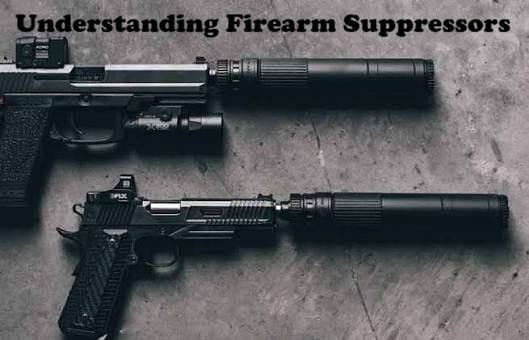
Understanding Firearm Suppressors
A firearm suppressor, sometimes called a silencer, is a device designed to reduce the sound produced when a firearm is discharged. It does not necessarily make a firearm silent, and it does not eliminate the risks associated with gunfire.
Suppressors are different from accessories such as scopes, ordinary sights, grips, slings, and standard mounting equipment. Many common accessories are generally lawful, but some devices or firearm modifications may fall under specific state or federal restrictions.
The legal classification of an accessory matters. A product’s marketing description does not necessarily determine how the law treats it. Buyers should verify the actual design and applicable legal requirements before acquiring a regulated device.
Florida Laws Governing Suppressor Possession
Florida Statute 790.001 includes a firearm muffler or silencer within its definition of a firearm. This means suppressors can be affected by legal restrictions that apply to firearms, including rules concerning prohibited possessors and unlawful use.
Florida Statute 790.221 separately restricts possession of short-barreled rifles, short-barreled shotguns, and machine guns, with an exception for firearms lawfully owned and possessed under federal law. This is important because a suppressor and the firearm to which it is attached may be subject to different legal provisions.
Florida does not have a general, standalone state prohibition on ordinary suppressor possession in Chapter 790. Nevertheless, compliance with applicable federal requirements and other state firearm laws remains important.
Important Federal Regulatory Changes in October 2026
Federal suppressor rules have recently changed. On October 9, 2026, the Bureau of Alcohol, Tobacco, Firearms and Explosives announced an enforcement policy under which it would no longer enforce specified National Firearms Act requirements for suppressors and certain other covered firearms. The announcement followed a federal court ruling and a decision by the Department of Justice not to appeal.
Under this policy, ATF will not enforce specified requirements for prior approval, registration, tax stamps, and related procedures for the covered items. However, this does not mean that every suppressor transaction is unrestricted or that all federal firearm laws have disappeared.
Licensed dealers must still comply with applicable Gun Control Act requirements, including Form 4473, background checks when required, transaction records, and restrictions on transfers to prohibited individuals. State laws also remain relevant, and ATF has cautioned that its enforcement policy does not override state restrictions.
Because this policy is very recent, individuals should review the latest official ATF guidance before relying on it for a purchase, transfer, or interstate movement.
Rules for Other Firearm Accessories
Many conventional firearm accessories, including optical sights, slings, and ordinary grips, are generally lawful to possess. However, an accessory that changes a firearm’s legal classification or falls within a specially regulated category may create additional legal issues.
For example, Florida Statute 790.222 prohibits bump-fire stocks. Section 790.221 addresses short-barreled rifles, short-barreled shotguns, and machine guns. Other state and federal provisions may apply to particular devices or firearm configurations.
The legality of an accessory should therefore be assessed according to its design and function, not simply its name or the fact that it is sold commercially. Modifying a firearm can have consequences beyond the legality of the accessory itself.
Prohibited Possession and Responsible Ownership
Even when a suppressor or accessory is generally lawful, the individual possessing it must be legally eligible to do so. Florida law restricts firearm and ammunition possession by certain people, including individuals covered by specified felony restrictions and qualifying court injunctions.
Owners should also follow applicable rules on transportation, storage, and use. A suppressor does not authorize unlawful discharge, threatening conduct, or possession in a prohibited location. Secure storage is particularly important where minors could gain unauthorized access to a firearm.
Anyone uncertain about a past conviction, court order, firearm modification, or suppressor transaction should obtain advice from a qualified attorney familiar with Florida and federal firearm law.
Conclusion
Florida’s treatment of suppressors and firearm accessories depends on the device involved, the owner’s legal eligibility, and applicable state and federal restrictions. The October 2026 ATF policy is a significant development, but it should not be interpreted as eliminating every legal requirement. Before purchasing, modifying, transferring, or transporting a suppressor, individuals should verify the latest official guidance and seek qualified legal advice when necessary.
Frequently Asked Questions
Q. Are firearm suppressors legal in Florida?
Florida does not generally prohibit ordinary suppressor possession under a standalone state ban. However, applicable state and federal restrictions, the owner’s eligibility, and the details of the transaction must still be considered.
Q. Does the October 2026 federal policy mean suppressors no longer have any restrictions?
No. ATF announced that it would stop enforcing specified National Firearms Act requirements for covered suppressors and other items. Other federal laws, dealer requirements, and state restrictions may still apply.
Q. Do firearm accessories require special approval in Florida?
Most ordinary accessories do not require a special state permit simply because they are accessories. Certain devices and firearm configurations are subject to specific restrictions, so their classification should be checked before purchase or modification.
Q. Can a person with a felony conviction possess a suppressor?
A qualifying felony conviction may prohibit firearm possession under Florida or federal law. Because Florida includes firearm silencers within its firearm definition, a prohibited person should not assume a suppressor is exempt. Eligibility requires a review of the relevant conviction and any legally sufficient restoration of rights.
Q. Can a suppressor be transported across state lines?
Interstate transportation can raise questions under federal law and the laws of the destination state. The recent ATF enforcement policy does not override state restrictions, so travelers should confirm the current rules in every relevant jurisdiction before transporting a suppressor.