 By Olivia Wilson
Keeping vehicle registration current is an important legal responsibility for Florida drivers. Registration confirms that a vehicle is properly recorded with the state and that the required registration fees have been paid. When a registration expires, drivers may wonder whether Florida law provides a grace period during which they can continue driving without renewing it.
The key distinction is between the deadline for renewing registration and the penalties that apply after it expires. Under Florida Statutes § 320.07, drivers generally cannot legally operate a vehicle on public roads after its registration expires. Although the law distinguishes between registrations expired for six months or less and those expired for longer periods when determining penalties, that distinction does not create a six-month grace period for driving.
Understanding the applicable deadlines, renewal options, and consequences of late registration can help Florida motorists avoid citations and unnecessary expenses.
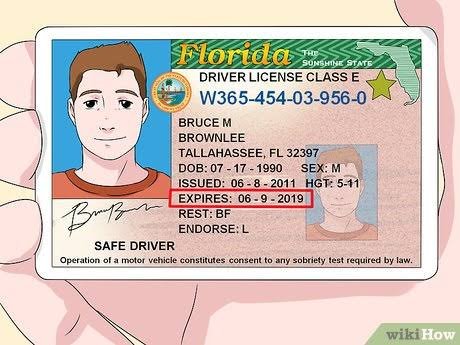
Does Florida Have a Vehicle Registration Grace Period?
Florida does not provide a general post-expiration grace period that allows motorists to keep driving with expired registration. Under § 320.07(1), registration expires at the legally specified time, and the vehicle may not be operated on Florida roads after expiration unless the registration has been renewed according to law.
For many privately owned vehicles registered to an individual, the registration period is linked to the owner’s birth month and expires at the applicable deadline. Drivers should check the expiration date shown on their registration documents rather than assume they can drive until the end of the following month.
A common misunderstanding is that a driver has six months to renew without consequences. The six-month distinction in Florida law relates to penalty classification, not permission to operate an unregistered vehicle.
When Does Registration Expire?
Under Florida Statutes § 320.055, many vehicles owned by individuals have a registration period based on the owner’s birth month. For these registrations, the renewal period is the 30-day period ending at midnight on the owner’s birthday. Other vehicles, including certain business-owned, rental, and apportioned vehicles, may follow different registration schedules.
Florida allows eligible vehicle owners to renew registration up to three months before the expiration date under § 320.071. Renewing early can help drivers avoid missed deadlines, processing delays, and last-minute problems.
Owners should verify the expiration date on their registration documents and use the Florida Department of Highway Safety and Motor Vehicles (FLHSMV) or their county tax collector’s official services to confirm renewal requirements.
What Are the Penalties for Expired Registration?
The penalties depend partly on how long the registration has been expired and whether the driver has previous qualifying violations.
Under § 320.07(3):
- Expired for six months or less: Operating a vehicle with expired registration is generally a noncriminal traffic infraction treated as a nonmoving violation.
- Expired for more than six months: A first offense is subject to the penalty provided under § 318.14.
- More than six months expired, with a second or subsequent offense: The violation is a second-degree misdemeanor.
The statute also states that, for the qualifying violation involving registration expired for six months or less, an officer may not issue a citation until midnight on the last day of the owner’s birth month in the year the registration expires. This limited citation rule does not authorize driving after registration expires. It should not be confused with a general grace period.
Are Late Renewal Fees Charged?
Florida may impose a delinquent registration fee in addition to other applicable penalties. Under § 320.07(4), the delinquent fee generally begins on the 11th calendar day of the month following the month in which renewal was due. The amount depends on the applicable license-tax category.
The statutory schedule ranges from a $5 flat fee for a license tax of $5 to $25 to a $250 flat fee when the license tax exceeds $600. Other categories have fees of $10, $15, $50, or $100.
Certain exceptions apply, including specific situations involving vehicles that were not required to be registered during the preceding registration period. Because individual circumstances can affect the amount owed, drivers should confirm the current balance with the appropriate county tax collector or FLHSMV service.
How Can Florida Drivers Renew Expired Registration?
Drivers should renew as soon as possible after discovering that registration has expired. Depending on eligibility, renewal may be available online, through a county tax collector’s office, or through another authorized service provider.
Before applying, check whether any outstanding requirements must be addressed, such as insurance or documentation issues. Pay the applicable registration tax, service charges, and delinquent fees, if required. Keep the confirmation or receipt and ensure that the registration and validation decal are properly updated.
Do not assume that submitting a renewal application automatically makes it legal to drive. Confirm that the registration has been renewed and that the vehicle meets applicable requirements before operating it on public roads.
Conclusion
Florida does not provide a general post-expiration grace period for driving with expired vehicle registration. Although the law distinguishes between registrations expired for six months or less and those expired for longer when determining penalties, motorists should renew before the deadline. Checking expiration dates, using the advance renewal period, and confirming that renewal is complete can help drivers avoid citations and late fees.
Frequently Asked Questions
Q1. Is there a 30-day grace period for expired vehicle registration in Florida?
Florida provides a 30-day renewal period for many individual vehicle registrations ending on the owner’s birthday. That is a period to renew before expiration, not a general 30-day grace period after expiration.
Q2. Can I drive my car with expired registration for six months?
No. The six-month threshold affects how certain violations are classified and penalized. It does not give drivers permission to operate a vehicle with expired registration.
Q3. How much is the late registration fee in Florida?
The delinquent fee depends on the applicable license-tax category. Under § 320.07, statutory amounts range from $5 to $250, with certain exceptions. Other penalties or charges may also apply.
Q4. Can I renew my Florida vehicle registration before it expires?
Yes. Eligible vehicle owners can generally apply for renewal during the three months preceding the registration’s expiration date.
Q5. What happens if my registration has been expired for more than six months?
A first offense is subject to the applicable penalty under § 318.14. A second or subsequent qualifying offense is a second-degree misdemeanor under § 320.07. The specific outcome depends on the circumstances and applicable law.