 By Ashley Robinson
 LifeStance Health Group has agreed to a proposed $3,027,874.44 settlement in a class action lawsuit accusing the mental-health provider of sharing patients’ personal information through tracking technologies on its public website.
The case, Strong v. LifeStance Health Group Incorporated, is pending in the U.S. District Court for the District of Arizona. The plaintiffs allege that LifeStance used tools known as tracking pixels to collect and send sensitive information to companies such as Meta and Google without proper permission.
LifeStance denies wrongdoing. The court has not decided that the company violated the law. The settlement still requires final approval, and eligible class members must submit a valid claim to receive a possible payment.
What the LifeStance lawsuit alleges
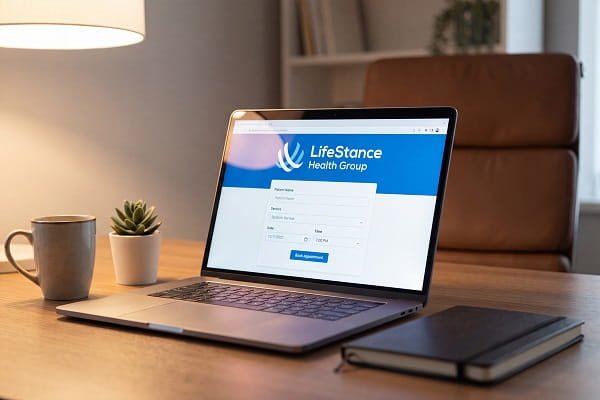
The lawsuit concerns tracking code placed on LifeStance’s public website. The plaintiffs say the technology could monitor how visitors interacted with the site, including the pages they viewed, buttons they clicked and information they entered while seeking mental-health services.
The complaint alleges that this information could reveal a person’s relationship with LifeStance, appointment activity, treatment interests, physicians, locations and other health-related details. It claims the information was transmitted to third parties, including Meta Platforms and Google, without informed consent.
The plaintiffs brought claims under federal and state privacy laws, including the federal Electronic Communications Privacy Act, the California Invasion of Privacy Act and California’s Confidentiality of Medical Information Act. The case also includes consumer-protection claims under the laws of Arizona, California and New York.
These allegations remain disputed. LifeStance has denied that it acted unlawfully and has not admitted liability as part of the proposed settlement.
Court allows most claims to continue
In January 2025, U.S. District Judge Krissa M. Lanham granted LifeStance’s motion to dismiss in part and denied it in part.
The court dismissed the plaintiffs’ intrusion-upon-seclusion claim without leave to amend. However, the court ruled that most of the other claims were adequately pleaded and could continue.
That decision did not determine that LifeStance was liable. It only meant that the surviving claims were sufficiently stated to move forward at the pleading stage.
Proposed settlement amount
The proposed settlement creates a non-reversionary fund of $3,027,874.44. The fund is divided between two settlement subclasses:
The first subclass has a fund of $1,203,405. The second subclass has a fund of $1,824,469.44.
Approved claimants will receive a pro rata cash payment from the fund connected to their subclass. The amount is not fixed and will depend on the number of valid claims and deductions approved by the court.
The settlement fund may also be reduced by attorneys’ fees, litigation expenses, service awards and settlement-administration costs. Class counsel may request fees of up to 33 percent of the settlement fund, plus approved expenses. The court may award less.
Who may qualify
The settlement divides eligible people into two groups.
Settlement Subclass 1 includes people who were part of LifeStance’s patient population and booked at least one session through the online booking tool accessed through LifeStance.com between March 1, 2020, and April 30, 2023.
Settlement Subclass 2 includes other people who were part of LifeStance’s patient population during that same period but were not included in Subclass 1.
The official settlement notice contains exclusions and additional eligibility details. People who are unsure whether they qualify can check the official settlement website or contact the settlement administrator.
Claim deadline and payment process
The deadline to submit a claim is September 29, 2026. Claims may be submitted online through the official LifeStance Pixel Settlement website or by mail.
A valid claim is the only way to receive a settlement payment. The payment will not be issued immediately. The settlement must first receive final court approval, become effective and complete any appeal process.
The court has scheduled the final approval hearing for October 16, 2026, at 10:30 a.m. Mountain Time. The judge will decide whether the settlement is fair, reasonable and adequate.
Opting out or objecting
Class members who want to keep the right to bring their own lawsuit over the same tracking and data-sharing claims must exclude themselves from the settlement by August 31, 2026.
People who opt out will not receive money from the settlement. The request must follow the instructions in the official notice and must be sent to the settlement administrator by the deadline.
Class members who remain in the settlement may object to its terms by August 31, 2026. Objecting is different from opting out. An objection asks the court to reject or change the settlement but does not remove the person from the class.
Anyone who does nothing will not receive a settlement payment. If the settlement is approved, that person will generally be bound by the release of claims covered by the agreement.
Privacy changes under the agreement
The proposed settlement also includes non-monetary relief. LifeStance has agreed to discontinue the use of third-party tracking pixels on its public website, except for pixels that comply with HIPAA, for five years after the settlement becomes effective.
The agreement is intended to resolve claims involving tracking technologies and the alleged collection, interception or disclosure of information through those technologies. It does not release unrelated medical-malpractice or personal-injury claims involving care provided by LifeStance.
What patients should know
The LifeStance case does not allege that the company’s clinicians provided negligent medical treatment. It focuses on website tracking and the alleged disclosure of personal and health-related information to outside companies.
Patients should use only the official settlement website when checking eligibility or submitting a claim. They should also be careful with messages that promise a guaranteed payment because the final amount will depend on the claims process and court-approved deductions.
For now, the LifeStance settlement remains proposed rather than final. The court’s October hearing will determine whether the agreement moves forward.