 By Ashley Robinson
 A federal judge in Texas has ruled that parts of the National Firearms Act cannot be enforced against the plaintiffs in a major lawsuit involving firearm suppressors, short-barreled rifles and short-barreled shotguns.
The decision was issued on August 5, 2026, by U.S. District Judge James Wesley Hendrix in the Northern District of Texas. The cases, Silencer Shop Foundation v. ATF and Jensen v. ATF, were consolidated because they raised similar constitutional questions.
The ruling is a significant victory for the gun-rights groups and firearm businesses that challenged the law. However, the decision was stayed for seven days to give the federal government time to seek relief from the Fifth Circuit Court of Appeals. The ruling also does not automatically create a universal order covering every gun owner in the country.
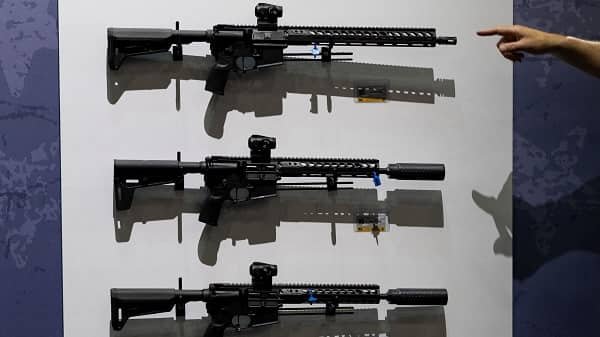
What the National Firearms Act regulates
The National Firearms Act of 1934 created a federal system for taxing and regulating certain firearms that lawmakers considered especially dangerous during the Prohibition era. The law has historically required registration, applications, fingerprints, photographs, approval and other procedures for covered weapons.
The lawsuit challenged those requirements as they apply to suppressors, short-barreled rifles, short-barreled shotguns and certain weapons classified as “any other weapons.” The NFA also covers machine guns and destructive devices, but those categories were treated differently in the lawsuit because Congress did not eliminate their applicable transfer and making taxes.
A suppressor, sometimes called a silencer, reduces the sound of a firearm but does not make a gun completely silent. Short-barreled rifles and shotguns are firearms with barrels below federal length limits.
Why the lawsuit was filed
The legal challenge followed a change in federal tax law. Congress reduced the NFA’s transfer and making taxes on suppressors, short-barreled rifles, short-barreled shotguns and certain other weapons to zero dollars beginning in 2026.
The plaintiffs argued that the remaining registration and approval system could no longer be justified under Congress’s taxing power because the covered items no longer produced tax revenue. They claimed that Congress had originally relied on its constitutional authority to collect taxes when it created the NFA’s regulatory structure.
The federal government argued that the law could still be supported by other constitutional powers, including the Commerce Clause, which allows Congress to regulate interstate commerce.
The judge’s constitutional reasoning
Judge Hendrix agreed with the plaintiffs’ main argument. His opinion said that the challenged NFA provisions had been enacted under Congress’s taxing authority and that the zero-dollar tax structure removed the constitutional basis that had supported the registration rules.
The judge rejected the government’s attempt to defend the rules under the Commerce Clause. The opinion said courts could not retroactively justify the law under a constitutional power that Congress did not rely on when enacting the challenged provisions.
The court did not decide the plaintiffs’ separate Second Amendment arguments. Judge Hendrix said the plaintiffs were entitled to the requested relief based on the limits of Congress’s enumerated powers, so it was unnecessary to reach the Second Amendment claims.
What the ruling actually changes
The final judgment permanently bars the ATF, the Justice Department and specified federal officials from enforcing the challenged NFA provisions against the plaintiffs and, where applicable, their members and customers. The ruling covers requirements connected to registration, applications, approval, fingerprints and related criminal penalties for the untaxed firearms at issue.
The court specifically said the injunction does not provide a universal remedy for people who were not parties to the case. Federal courts generally cannot issue an injunction that automatically grants relief to everyone in the country who might be affected by a law.
The judgment also does not extend the same relief to “any other weapons” as to the Jensen plaintiffs. The case therefore has important consequences, but its exact reach depends on the parties covered by the injunction and any later appellate action.
The seven-day stay and possible appeal
The court paused the effect of its final judgment for seven days. That period was intended to give the federal government an opportunity to ask the Fifth Circuit to intervene or extend the stay while an appeal is considered.
If the stay is extended, the challenged requirements may remain enforceable while the appeal proceeds. If no additional stay is entered, the injunction could begin operating after the seven-day period, subject to the court’s wording and any subsequent appellate order.
Gun owners should not assume that the ruling immediately changes the law in every state. State firearm laws may impose separate restrictions, and the federal government may seek further review.
What happens next
The case could move to the U.S. Court of Appeals for the Fifth Circuit and potentially reach the Supreme Court. The appellate courts may review the judge’s interpretation of the taxing power, the scope of the injunction and the effect of Congress reducing the NFA taxes to zero.
Gun-control organizations have criticized the decision, while gun-rights groups have called it an important constitutional victory. Until the stay and any appeal are resolved, the practical effect of the lawsuit remains unsettled. This article is for general information and is not legal advice.