 By Ashley Robinson
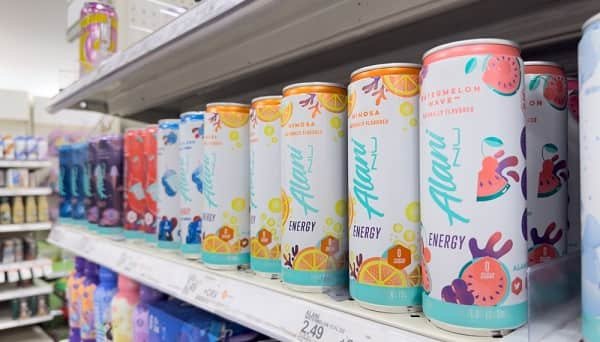
 The family of a 17-year-old Texas student has filed a wrongful-death lawsuit after alleging that Alani Nu energy drinks contributed to her fatal cardiac event.
Larissa Rodriguez, a Weslaco High School cheerleader and student leader, died in October 2025. Her parents filed the lawsuit on April 8, 2026, in Hidalgo County District Court. The case names Glazer’s Beer and Beverage, LLC, and Glazer’s Beer and Beverage of Texas, LLC, as defendants.
Although the lawsuit centers on Alani Nu products, the brand’s manufacturer and parent company are not named as defendants in the current case. The lawsuit is still pending, and the allegations have not been proven in court.
What happened to Larissa Rodriguez
According to the lawsuit, Rodriguez purchased and consumed one or more Alani Nu energy drinks from an H-E-B store in Hidalgo County in the days leading up to her death.
The complaint says she later suffered a fatal cardiac event. Her family states that the Hidalgo County medical examiner determined that she died from cardiomyopathy caused by excessive caffeine consumption.
Rodriguez was 17 at the time of her death. Her family described her as a cheerleader, tennis player, student council president and high-achieving student who had been accepted by numerous colleges.
The lawsuit argues that the drink was consumed in a reasonably foreseeable way and that the product was in substantially the same condition when it was consumed as when it left the defendants’ control.
What the lawsuit alleges about Alani Nu
The complaint alleges that a 12-ounce can of Alani Nu contains 200 milligrams of caffeine. The family argues that this amount is especially significant for teenagers because it is higher than the daily amount recommended for adolescents by health organizations cited in the filing.
The lawsuit also points to other ingredients, including taurine, guarana seed extract, L-theanine, Panax ginseng root extract, glucuronolactone and inositol. It claims that some of the ingredients are included in an “Energy Blend” without showing the amount of each substance.
According to the complaint, consumers cannot easily determine the total stimulant effect of the drink from the label. The family argues that the product should have carried clearer warnings about possible cardiac risks, the danger of excessive consumption and the risks for minors.
These are allegations made by the plaintiffs. The court has not ruled that the drink was defective or that it caused Rodriguez’s death.
The product-liability claims
The family’s lawsuit includes claims involving strict liability, alleged design defects and alleged marketing or warning defects.
The plaintiffs argue that the product was unreasonably dangerous because of its caffeine level and combination of stimulant ingredients. They also claim that a safer design was possible, including a lower caffeine level, more detailed ingredient disclosure and stronger warnings.
The complaint further alleges that the labeling and marketing presented Alani Nu as a wellness and lifestyle beverage while failing to clearly explain the potential risks associated with a concentrated stimulant drink.
The lawsuit seeks damages for the estate’s losses, medical and funeral expenses, lost earnings, mental anguish and other damages. The family is seeking more than $1 million, although the final amount, if any, would depend on the court proceedings or a settlement.
Why Glazer’s Beer and Beverage is named
The lawsuit identifies Glazer’s as the distributor that supplied Alani Nu products to retail locations, including H-E-B stores in Hidalgo County. The complaint says the drinks were distributed through Glazer’s regional facility in Weslaco, Texas.
The product’s manufacturer and parent company are not named in the lawsuit. Glazer’s has argued that the family sued the wrong companies because Glazer’s did not design, manufacture or market the drink. The distributor also argues that Texas law limits when a distributor can be held responsible for an allegedly defective product.
Glazer’s has denied responsibility. Its court filings reportedly argue that the product contained warnings, that the alleged injury involved misuse or improper use and that any damages were caused or contributed to by Rodriguez’s own negligence or fault.
The Rodriguez family has disputed those arguments and has said it plans to defend the lawsuit through the proper legal process.
Current status of the case
The case has already faced a major procedural dispute. In June 2026, Glazer’s asked the trial court to dismiss the lawsuit. The family responded that the dismissal request was a normal part of litigation and said it remained confident in its claims.
On July 1, 2026, a Hidalgo County judge denied Glazer’s motion to dismiss, allowing the case to continue at that stage. Glazer’s then sought review from the Texas Thirteenth Court of Appeals.
On July 27, the appeals court temporarily paused the underlying lawsuit while it considers Glazer’s request for mandamus relief. This means the case is on hold during the appellate review. It does not mean the appeals court has decided that Glazer’s arguments are correct, and it does not determine whether the drink caused Rodriguez’s death.
What happens next
The appellate court must decide whether to grant Glazer’s request and whether the trial court should revisit its ruling. If the case proceeds, the parties may exchange medical records, product information, distribution records, warning-label evidence and expert opinions about caffeine and cardiac risk.
The plaintiffs will ultimately have to prove that the product or the defendants’ conduct caused Rodriguez’s death and that the claims satisfy Texas product-liability law. Glazer’s will continue to argue that it was only a distributor and should not be liable for the product’s design, formulation or warnings.
No settlement or final judgment has been entered. The case remains a disputed wrongful-death lawsuit, not a court finding that Alani Nu or Glazer’s caused Rodriguez’s death.
Why the lawsuit matters
The case could influence future lawsuits involving energy drinks, teenagers and the responsibility of companies in a product’s distribution chain.
It also raises questions about how high-caffeine beverages are marketed, how clearly stimulant ingredients are disclosed and whether warning labels give consumers enough information to make safe choices.
For now, the Texas lawsuit is focused on one family’s claim that an Alani Nu drink played a role in Larissa Rodriguez’s death. The appellate court’s review will determine whether the case can move forward against the named distributor.