 By Olivia Wilson
Red light cameras are used at certain intersections in Florida to help enforce traffic signal laws and discourage drivers from running red lights. These systems capture photographs or video of potential violations, allowing authorized officials to review the evidence and determine whether a notice should be issued.
Receiving a red light camera ticket can raise questions about payment deadlines, responsibility for the vehicle, possible defenses, and whether the violation affects a driver’s record. Florida law establishes a specific process for reviewing camera evidence, notifying vehicle owners, and challenging alleged violations.
The primary law governing this process is Florida Statutes § 316.0083, known as the Mark Wandall Traffic Safety Program. Understanding how this statute works can help drivers respond appropriately to a notice and protect their legal rights.
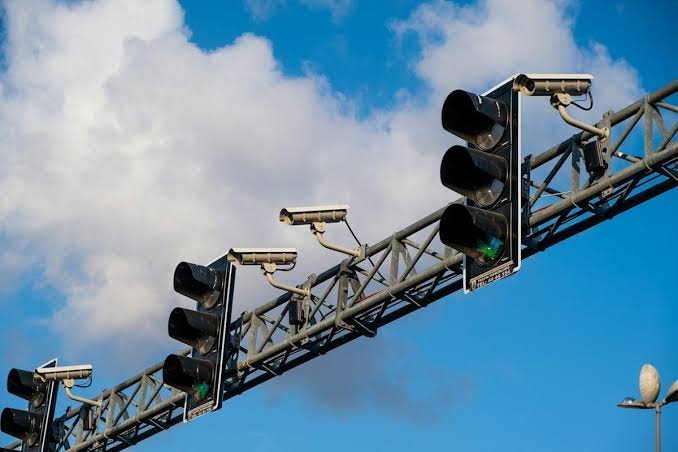
How Does Florida’s Red Light Camera System Work?
Florida law allows qualifying counties and municipalities to use traffic infraction detectors to identify potential violations of traffic signal requirements. These systems record information about vehicles that may have entered an intersection unlawfully when a traffic signal was red.
The camera evidence may include photographs, electronic images, or video showing the vehicle and the alleged violation. An authorized official reviews the information before a notice or citation is issued under the statutory process.
A camera recording does not mean that a driver is automatically guilty. Florida law provides procedures for reviewing the evidence, identifying the responsible person where applicable, and challenging an alleged violation.
The system generally begins with a notice sent to the registered owner of the vehicle. What happens next depends on whether the owner pays the penalty, identifies another person who had custody or control of the vehicle, or requests a hearing.
How Is a Red Light Camera Notice Processed?
Florida’s red light camera process generally follows these steps under § 316.0083.
- Camera records a potential violation. The system captures photographs, electronic images, or video of the vehicle at the intersection.
- An authorized official reviews the evidence. The local government or authorized personnel review the recorded information before proceeding under the statutory process.
- A notice of violation is mailed. The registered vehicle owner must generally receive the initial notice within 30 days after the alleged violation. The notice is sent by first-class mail.
- The owner chooses how to respond. The owner can pay the penalty, submit an appropriate affidavit establishing a statutory exemption, or request a hearing within 60 days following notification.
- A formal citation may follow. If the owner does not pay, request a hearing, or submit the required affidavit within the applicable 60-day period, a uniform traffic citation may be mailed by certified mail.
The initial notice is not the same as the later uniform traffic citation. Understanding which document you received is important because the available procedures and deadlines depend on the stage of the process.
What Is the Fine for a Red Light Camera Ticket?
Under Florida Statutes § 316.0083, the standard civil penalty for a qualifying red light camera violation is $158. The statute specifies this amount for notices and citations issued through the authorized traffic infraction enforcement process.
If a recipient requests a hearing and later cancels the appearance by paying before the hearing begins, the statute provides for payment of the assessed penalty plus $50 in administrative costs. If a hearing officer upholds a violation, additional county or municipal costs of up to $250 may be imposed under the statutory procedure.
Drivers should check the actual notice for payment instructions and any additional amounts applicable to their case.
Can You Challenge a Red Light Camera Ticket?
Yes. Florida law gives vehicle owners an opportunity to review the evidence and request a hearing.
The notice must explain how to inspect the photographs, electronic images, or video and how to request a hearing. At the hearing, a local hearing officer reviews the evidence and determines whether the violation occurred. The officer may uphold or dismiss the violation.
Potential issues to examine include:
- Whether the images clearly identify the vehicle and show the alleged violation.
- Whether the vehicle was proceeding through the intersection under the direction of a law enforcement officer.
- Whether the vehicle was yielding to an emergency vehicle or participating in a funeral procession.
- Whether another person had care, custody, or control of the vehicle at the relevant time.
- Whether the circumstances involved a permitted right turn that falls within the statutory exception.
These are not automatic grounds for dismissal. The evidence and statutory requirements determine whether a challenge succeeds.
Conclusion
Florida’s red light camera system follows a defined legal process involving recorded evidence, an initial notice, a response period, and potentially a formal traffic citation. Under Florida Statutes § 316.0083, the standard penalty is $158, and vehicle owners generally have 60 days following notification to respond before a citation may be issued.
Drivers who receive a notice should review the evidence, confirm the deadline, and determine whether payment, an affidavit, or a hearing is appropriate. Responding promptly can help avoid additional procedural complications.
Frequently Asked Questions
Q1. How long does Florida give you to respond to a red light camera notice?
A: Generally, you have 60 days following notification to pay the penalty, submit an appropriate affidavit, or request a hearing before a uniform traffic citation may be issued. The initial notice must generally be mailed within 30 days after the alleged violation.
Q2. Do red light camera tickets affect your driving record?
A: The initial camera notice is a civil penalty rather than a conventional officer-issued moving citation. The consequences can differ if a separate citation is issued by a law enforcement officer, so check the document you receive and the applicable law.
Q3. Can you receive a ticket for turning right on red in Florida?
A: A red light camera notice or citation may not be issued under § 316.0083 for a right turn made carefully and prudently at an intersection where right turns are permitted. Drivers must still comply with applicable stopping and right-of-way requirements.
Q4. What if someone else was driving my car?
A: Florida law permits the registered owner to submit an affidavit identifying another person who had care, custody, or control of the vehicle at the time of the alleged violation. Specific identifying information and supporting documentation may be required, and false affidavits are criminal offenses.
Q5. Can you appeal a decision after a red light camera hearing?
A: Yes. Florida Statutes § 316.0083 provides an appeal process for an aggrieved party challenging a final administrative order. The applicable procedures and deadlines should be reviewed promptly.