 By Ashley Robinson
 A federal judge has vacated the convictions and dismissed the remaining criminal case against Oath Keepers founder Stewart Rhodes and seven other members prosecuted for their roles in the January 6, 2021, attack on the U.S. Capitol. U.S. District Judge Amit Mehta entered the order on August 4, 2026, after the Department of Justice requested dismissal.
The ruling formally ended the last active federal prosecution arising from January 6. Judge Mehta said he granted the request reluctantly and strongly criticized the government’s decision. However, he concluded that the executive branch had broad authority over whether to continue a criminal prosecution.
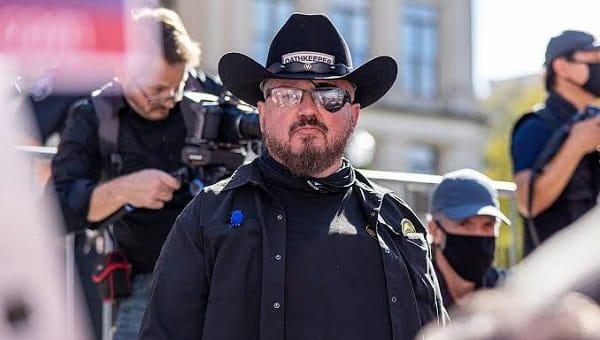
Why Were the Oath Keepers Prosecuted?
Federal prosecutors accused Oath Keepers leaders and members of conspiring to use force to prevent the lawful transfer of presidential power after the 2020 election. Evidence at trial included encrypted messages, plans for coordinated movement toward the Capitol, and firearms stored outside Washington as part of a “quick reaction force.”
Two separate jury trials took place in 2022 and 2023. Rhodes, Kelly Meggs, Roberto Minuta, Joseph Hackett, David Moerschel, and Edward Vallejo were convicted of seditious conspiracy. Jessica Watkins and Kenneth Harrelson were acquitted of that particular charge but convicted of other serious conspiracy and obstruction offenses.
What Sentences Did the Defendants Receive?
Rhodes received an 18-year prison sentence in May 2023, one of the longest sentences imposed in a January 6 case at that time. Meggs was sentenced to 12 years. Watkins received eight years and six months, while Harrelson, Minuta, Hackett, Moerschel, and Vallejo received shorter prison terms.
The court applied a terrorism-related sentencing enhancement to Rhodes and Meggs after finding that their conduct was intended to influence or retaliate against government action through intimidation or coercion. The defendants appealed their convictions and sentences.
How Did Presidential Clemency Change the Cases?
When President Donald Trump returned to office on January 20, 2025, he granted broad clemency to people charged in connection with January 6. Most defendants received full pardons. Rhodes and several other Oath Keepers instead received commutations reducing their prison sentences to time served, which resulted in their release.
A commutation ends or reduces punishment but ordinarily leaves the conviction intact. For that reason, the eight Oath Keepers still had convictions on their records after leaving prison. Thomas Caldwell, another Oath Keepers defendant whose sentence was initially commuted, later received a pardon.
Why Did the Justice Department Seek Dismissal?
In April 2026, the Justice Department asked the federal appeals court to vacate the convictions of the eight Oath Keepers. After the cases returned to the trial court, prosecutors asked Judge Mehta to dismiss the indictments permanently, saying dismissal served the interests of justice and the public.
Judge Mehta noted that the government did not claim the charges were legally defective, the evidence was insufficient, prosecutors committed misconduct, or the defendants’ rights were violated. He wrote that the request amounted to executive grace rather than correction of a proven legal error.
Does Dismissal Mean the Defendants Were Found Innocent?
The dismissal removes the convictions and ends the criminal cases, but it is not the same as a new trial producing not-guilty verdicts. Juries previously heard the evidence and returned guilty verdicts on multiple counts. Those judgments were later vacated because the Justice Department chose not to continue defending or pursuing the cases.
Legally, the defendants no longer stand convicted under the dismissed indictments. Historically, however, the original trials, verdicts, and sentencing findings remain part of the public record. The court did not issue a finding of factual innocence or conclude that the prosecutions were unlawful.
Why the Final Ruling Is Significant
The August 2026 order closes the criminal case that produced the most prominent Oath Keepers seditious-conspiracy convictions. It also completes the federal government’s reversal of the remaining January 6 prosecutions following the president’s pardons and commutations.
Judge Mehta described the decision as an ending he could not rewrite. His opinion emphasized the seriousness of the effort to interrupt Congress’s certification of the election and defended the work of prosecutors and law-enforcement officers who secured the convictions. Supporters of dismissal view it as correcting politically motivated prosecutions, while critics argue it weakens accountability for an attack on the peaceful transfer of power. The immediate legal result is nevertheless settled: the eight defendants’ convictions were vacated, the charges were dismissed, and the prosecution is closed.
 Olivia Wilson