 By Olivia Wilson
 Florida regulates firearm sales through state and federal laws that address buyer eligibility, background checks, identification, waiting periods, and prohibited transfers. These rules apply differently depending on whether a firearm is purchased from a licensed dealer or transferred privately. Understanding the requirements helps buyers and sellers avoid unlawful transactions and recognize when additional legal restrictions apply.
Although Florida does not require a separate state permit simply to purchase a firearm, that does not mean a buyer can skip the required background check or ignore eligibility rules. The Florida Department of Law Enforcement (FDLE) administers the state’s Firearm Purchase Program, which checks whether a prospective purchaser is legally eligible to receive a firearm.
Who Is Legally Eligible to Purchase a Firearm?
A person must meet the applicable age and legal eligibility requirements before purchasing a firearm. Under Florida law, buyers generally must be at least 21 years old to purchase a firearm from a licensed dealer. Certain exceptions apply, including specified purchases of rifles or shotguns by qualifying law enforcement officers, correctional officers, or servicemembers who are at least 18.
Other restrictions can prevent a person from legally receiving or possessing a firearm. These may include certain felony convictions, qualifying domestic violence convictions or court orders, and other disqualifying circumstances under state or federal law. Some situations require a more detailed legal assessment, particularly when a conviction has been sealed, expunged, pardoned, or otherwise affected by a legal process.
Buyers should answer all purchase questions truthfully and should not assume that a lack of recent criminal convictions automatically establishes eligibility. A person who is uncertain about their legal status should seek advice from a qualified attorney before attempting to purchase a firearm.
How Background Checks Work in Florida
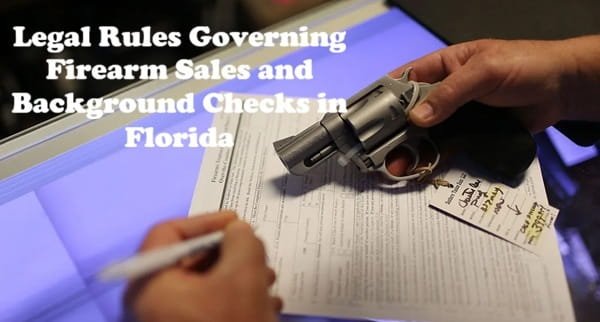
When a person buys a firearm from a federally licensed dealer, the buyer generally must complete the federal ATF Form 4473 and provide acceptable government-issued identification. The dealer submits the purchaser’s information to FDLE’s Firearm Purchase Program, which checks relevant state and federal records to determine eligibility.
The background check may result in an approval, a denial, or a pending decision while additional information is reviewed. An approval allows the dealer to proceed only when the other legal requirements, including the waiting period, have been satisfied. A pending result does not mean that the purchase has been approved.
If a transaction is denied, the buyer should follow the official appeal or correction process rather than attempting to obtain the firearm through another person. Incorrect records or mistaken identity may sometimes affect a background check, but the appropriate procedure must be followed to resolve the issue.
Florida does not require a separate purchase permit that exempts a buyer from the background check process. Even a person who holds a Florida concealed weapon or firearm license generally remains subject to the required background check when purchasing from a licensed dealer.
Florida’s Mandatory Waiting Period for Firearm Purchases
Florida generally imposes a waiting period between the purchase and delivery of a firearm. Under Section 790.0655 of the Florida Statutes, the waiting period is three days, excluding weekends and legal holidays, or until the required background check is completed, whichever occurs later.
Certain exceptions apply. These include qualifying purchases by holders of concealed weapon or firearm licenses, firearm trade-ins, and specified rifle or shotgun purchases by individuals who meet statutory hunter-safety requirements. Other limited exceptions may also apply under the law.
Florida counties and municipalities may have additional local requirements affecting waiting periods. Buyers should verify the rules that apply where the purchase occurs rather than assuming the statewide period is always the only requirement.
A retailer who unlawfully delivers a firearm before the applicable waiting period expires may face criminal penalties. A purchaser who obtains delivery through fraud or false representations may also face serious legal consequences.
Private Firearm Sales and Transfers
Private firearm transfers are subject to different procedures from purchases made through licensed dealers. Florida does not generally require an ordinary private seller to conduct the same state-administered background check required of a licensed dealer. However, federal law and Florida law still restrict transfers to people who are legally prohibited from receiving or possessing firearms.
Federal law generally prohibits a private individual from transferring a firearm to someone they know or have reasonable cause to believe is prohibited from possessing one. Interstate transfers are subject to additional federal requirements and generally must be handled through a federally licensed dealer, subject to limited legal exceptions.
Sellers should also avoid transferring firearms when they have reason to believe the transaction would violate applicable law. Buyers and sellers should confirm the other party’s eligibility and understand the legal requirements before completing a transfer.
What Happens When a Background Check Is Denied?
A denied background check can prevent a firearm purchase from proceeding. The reason may involve a disqualifying record, a court order, or other information that indicates the purchaser may not legally receive a firearm.
Anyone who believes a denial resulted from inaccurate information should request information about the reason for the decision and follow the official appeal procedure. FDLE provides information about the firearm purchase process and the use of transaction numbers to identify and review background-check decisions.
A person should not attempt to bypass a denial by asking another individual to purchase the firearm on their behalf. Such arrangements can create serious legal problems, particularly if the actual recipient is prohibited from possessing firearms or the transaction involves a false statement.
Conclusion
Florida’s firearm sales laws establish eligibility requirements, background-check procedures, waiting periods, and restrictions on transfers. Buyers and sellers should understand these rules before completing a transaction, particularly when a background check is delayed or a private transfer is involved.
Frequently Asked Questions
Q. Does Florida require a permit to purchase a firearm?
No. Florida generally does not require a separate state purchase permit, but buyers must satisfy eligibility rules and complete the required background check when purchasing through a licensed dealer.
Q. How long is Florida’s firearm waiting period?
The general waiting period is three days, excluding weekends and legal holidays, or until the required background check is completed, whichever occurs later. Exceptions and local requirements may apply.
Q. Are background checks required for private firearm sales?
Florida does not generally require the same state background-check process for ordinary private transfers that applies to licensed dealers. However, state and federal restrictions on transfers to prohibited persons still apply.
Q. What happens if my firearm background check is denied?
The transaction generally cannot proceed. If you believe the decision is incorrect, follow FDLE’s official appeal or record-correction process rather than trying to bypass the denial.
Q. Can a person under 21 purchase a firearm in Florida?
Generally, licensed dealers cannot sell firearms to individuals under 21, subject to specific statutory exceptions. Additional federal and state restrictions may apply depending on the firearm and circumstances.