 By Ashley Robinson
 Yes and no — raw milk is partially legal in Florida, but there are strict limits on how it can be sold. In Florida, the sale of raw milk for human consumption is illegal. However, raw milk can legally be sold if it is labeled for “pet consumption” or “animal consumption only.” This unusual legal setup has made Florida one of the more confusing states when it comes to raw milk laws.
Many Floridians still buy raw milk from farms, farmers markets, and specialty sellers, but the containers must carry labels stating the milk is not intended for people to drink. Florida regulators allow these sales under animal feed and pet food rules rather than normal dairy laws.
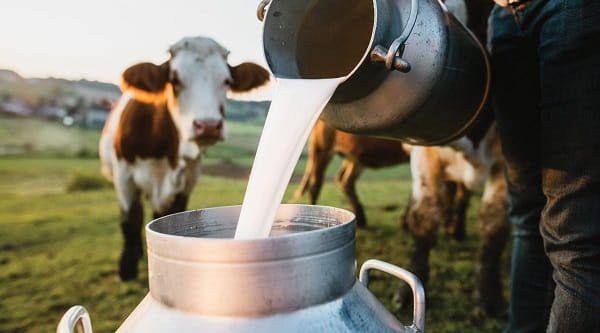
What Is Raw Milk?
Raw milk is milk that has not been pasteurized.
Pasteurization is a heating process designed to kill potentially harmful bacteria such as:
- E. coli
- Salmonella
- Listeria
- Campylobacter
Raw milk supporters often claim it tastes better and contains more natural enzymes and nutrients. Critics, including many public health agencies, warn that it can carry dangerous bacteria.
Why Florida Restricts Raw Milk
Florida law only allows the sale of Grade A pasteurized milk for normal human consumption.
Because of this:
- Stores cannot legally sell raw milk for people to drink
- Farmers cannot openly market raw milk for human consumption
- Restaurants cannot legally serve raw milk products intended for drinking
However, raw milk sold as pet food falls under a different legal category.
Is Raw Milk Sold in Florida Anyway?
Yes.
Raw milk is commonly sold across Florida as:
- Pet milk
- Animal feed
- Livestock feed
The containers usually include warnings such as:
“Not for human consumption.”
Many consumers still buy and personally drink the milk despite the labeling restrictions.
Can Grocery Stores Sell Raw Milk?
Generally no for human consumption.
Some specialty stores or farms may sell raw milk labeled strictly for pets or animals, but standard retail dairy sections usually sell only pasteurized milk products.
Are Raw Milk Farms Legal?
Yes, certain farms legally operate under pet food or feed registrations.
Florida allows producers to sell raw milk for animal use if they meet regulatory requirements such as feed registration rules.
What About Herd Shares or Cow Shares?
This area becomes legally gray in Florida.
Herd share programs involve buying partial ownership in a cow or herd and receiving milk from that animal. Some states clearly allow herd shares, but Florida regulators have historically viewed many herd-share arrangements as attempts to bypass raw milk sales restrictions.
Is Drinking Raw Milk Illegal?
Florida law mainly targets sales rather than simple consumption.
An adult drinking raw milk is generally treated differently from illegally selling or distributing raw milk for human consumption.
However, public health agencies strongly discourage drinking unpasteurized milk because of contamination risks.
Are There Health Risks?
Yes.
Health officials warn raw milk may contain harmful bacteria capable of causing:
- Severe stomach illness
- Vomiting
- Diarrhea
- Kidney complications
- Serious infections in children or elderly people
In 2025, Florida health officials linked a raw milk outbreak to multiple illnesses and hospitalizations.
Why Do People Still Buy Raw Milk?
Supporters often claim raw milk offers:
- Better taste
- Natural probiotics
- Fewer processing steps
- Local farm support
- Traditional farming practices
The debate around raw milk has become very politically and culturally controversial in some parts of America.
Could Florida Fully Legalize Raw Milk Later?
Possibly.
Raw milk laws continue changing in different states. Some states expanded legal access, while others tightened restrictions after outbreaks and public health concerns.
Florida could eventually:
- Expand retail access
- Tighten regulations further
- Clarify herd-share laws
- Increase enforcement
 Olivia Wilson