 By Ashley Robinson
 Buc-ee’s has filed a federal trademark lawsuit against Hanes Road Carryout Inc., the company operating Beaver’s Mini Mart in Beavercreek, Ohio. The complaint, filed July 28, 2026, in the U.S. District Court for the Southern District of Ohio in Dayton, accuses the local store of using branding that is too close to Buc-ee’s well-known identity.
The case has attracted national attention because it pits a rapidly expanding Texas travel-center chain against a small, family-run convenience store. Buc-ee’s is asking the court to stop Beaver’s Mini Mart from using the disputed branding, remove related signs and materials, award damages and require the defendant to pay legal fees. No court has yet ruled on whether the mini-mart infringed Buc-ee’s trademarks, and the allegations remain unproven.
What Buc-ee’s claims
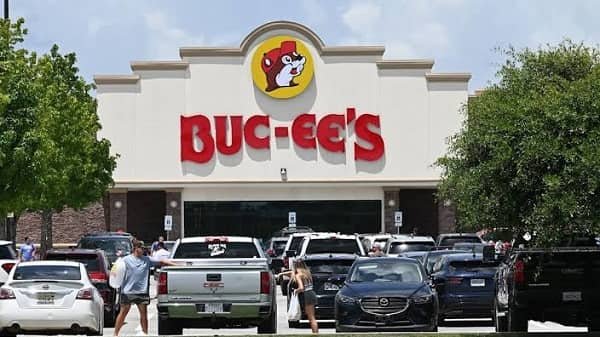
According to the complaint, Buc-ee’s says Beaver’s Mini Mart uses three elements that together could confuse customers: the word “Beaver’s,” a smiling cartoon beaver mascot and red as a dominant color in its signage. Buc-ee’s argues that consumers could mistakenly believe the Beavercreek business is affiliated with, sponsored by or connected to the national chain.
The company says it has used its beaver mascot for more than 40 years and owns multiple federal trademark registrations associated with the name, logo and overall brand presentation. Trademark law generally allows a business to challenge branding that is likely to create confusion about the source or affiliation of goods and services. The central issue will therefore be whether ordinary customers would realistically mistake Beaver’s Mini Mart for a Buc-ee’s location or related business.
Why the timing matters
Buc-ee’s opened its first Ohio location in Huber Heights, near Dayton, in April 2026. Beaver’s Mini Mart, however, is a local store in Beavercreek with no gas pumps and no direct interstate travel-center format. Its owner, Vik Boparai, has said he has operated the business for more than a decade and that the current sign has been displayed since 2019—before Buc-ee’s announced its Ohio expansion.
The dispute became more complicated after early public explanations suggested that Boparai had filed a federal trademark application for “Beavermart.” Later reporting and a correction from Huber Heights Mayor Jeff Gore indicated that Boparai had registered “Beavers Mini Mart” as an Ohio trade name, not as a federal trademark. Boparai said the state registration was made at his bank’s request so the store could process credit-card deposits under its operating name. Buc-ee’s now says the state trade-name registration was what first brought the business to its attention.
The local business fights back
Boparai has questioned why a large national company would sue a small store that serves a local neighborhood. He has said the business supports his family and that he plans to defend it. Community members have rallied behind the mini-mart, arguing that beavers are already deeply associated with Beavercreek. The city’s high school, local landmarks and other community references use beaver imagery, making the animal a familiar part of the area’s identity.
Local businesses have organized T-shirt sales, bakery promotions and fundraising for legal expenses. Beavercreek City Council has also considered recognizing the beaver as a historic symbol of the community. The public response has turned the lawsuit into a broader debate over how far a powerful company should go to protect a famous mascot.
Buc-ee’s history of protecting its brand
The Ohio case follows earlier trademark disputes involving businesses with animal mascots, similar names or related color schemes. Buc-ee’s has defended its beaver logo and brand in litigation against other convenience stores and small businesses. Many such cases end with a settlement or a redesigned logo, making it difficult to know how a court would evaluate the underlying confusion question.
Comedian John Oliver has also criticized Buc-ee’s lawsuits on his HBO program and invited the chain to challenge a parody brand with greater resources. That criticism has amplified public interest in the Beavercreek case, although television commentary will not determine the legal outcome.
What happens next
The case will now proceed through the federal court process. Beaver’s Mini Mart will have an opportunity to respond to the complaint and challenge Buc-ee’s interpretation of the branding. The court may later consider requests for temporary relief, evidence about when each mark was used, the parties’ customer bases, the appearance of the logos and whether any actual consumer confusion has occurred.
For now, the lawsuit is a claim—not a final finding. Its outcome could affect whether Beaver’s Mini Mart must change its name, mascot or signage. It could also influence how aggressively national chains protect familiar characters when they expand into communities where similar local symbols already have a long history.