 By Ashley Robinson
 Dr. Jennifer Tufts, a Massachusetts psychiatrist, is facing civil claims from Lindsay Clancy and Patrick Clancy in connection with the deaths of the couple’s three children.
The lawsuits accuse Tufts and other medical providers of failing to recognize and properly treat Lindsay Clancy’s serious mental-health condition before the January 2023 killings. The claims allege that Clancy’s symptoms were misdiagnosed, that her medications were not properly managed and that important warning signs were missed.
Tufts has denied liability. In a court filing, Tufts and another psychiatrist argued that the children’s deaths were not reasonably foreseeable. The civil claims remain unresolved, and no court has ruled that Tufts caused the deaths.
What happened before the children died
Lindsay Clancy was receiving psychiatric treatment after the birth of her youngest child, Callan, in May 2022. According to court records and testimony, she experienced anxiety, depression, insomnia, emotional numbness and concerns about medication side effects.
Tufts began treating Clancy in September 2022. Their appointments were conducted through telehealth. Tufts diagnosed Clancy with generalized anxiety disorder and adjustment disorder with depressed mood.
The lawsuits allege that Clancy was prescribed or exposed to several psychiatric medications through different providers during the months before the tragedy. These included antidepressants, sedatives, anti-anxiety drugs and antipsychotic medication.
The plaintiffs argue that the providers failed to coordinate Clancy’s treatment and did not adequately assess whether her symptoms were connected to bipolar disorder or postpartum psychosis.
Claims made by Patrick Clancy
Patrick Clancy filed a wrongful-death lawsuit in Norfolk Superior Court on behalf of the estates of his three deceased children: Cora, Dawson and Callan.
The lawsuit names Tufts and other healthcare professionals and practices involved in Lindsay’s treatment. It alleges that medical providers failed to properly diagnose her deteriorating condition and continued prescribing medications without adequate evaluation of her changing symptoms.
The complaint also alleges that Clancy reported severe reactions after beginning certain medications, including worsening anxiety, insomnia, loss of appetite and depression. According to the allegations, those reactions should have led to additional investigation and a change in treatment.
Patrick’s lawsuit argues that the defendants’ conduct contributed to a medical crisis that ended with the children’s deaths.
Lindsay Clancy’s separate lawsuit
Lindsay Clancy also filed her own civil lawsuit against Tufts, other providers and healthcare organizations. Her complaint makes similar allegations about misdiagnosis, medication management and the failure to identify postpartum psychosis.
Her legal position is closely connected to her criminal defense. Clancy has pleaded not guilty to three murder charges. Her attorneys do not dispute that she killed her children, but argue that she was suffering from severe mental illness and should not be held criminally responsible.
The defense says Clancy experienced hallucinations and believed she was acting under the influence of a compelling voice. Prosecutors argue that she acted intentionally and should be held responsible for the killings.
Tufts’ recent testimony
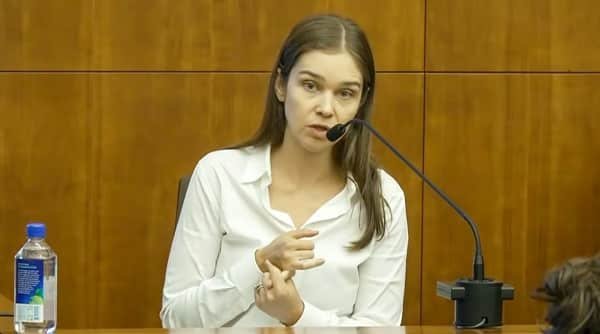
Tufts recently testified during Clancy’s murder trial. She said she treated Clancy through 14 virtual appointments and met with her for the final time on January 23, 2023, one day before the children were killed.
During cross-examination, the defense questioned Tufts about her reliance on short video appointments, her experience treating postpartum conditions and her decision not to obtain Clancy’s complete medical records from other providers.
Tufts testified that Clancy appeared depressed and anxious but did not show signs of psychosis. She also said Clancy denied having a plan to harm herself or anyone else.
Tufts told jurors that she was surprised to learn Clancy had called a suicide hotline twice. She said Clancy had not disclosed those calls during their treatment.
What happens next
The civil lawsuits will proceed separately from the criminal trial. The families may seek financial damages, while the defendants are expected to argue that their treatment decisions were medically reasonable and that the children’s deaths could not have been predicted.
The lawsuits may depend on medical records, medication timelines, communication between providers, expert testimony and evidence about whether Clancy showed recognizable signs of postpartum psychosis before the killings.
For now, the claims against Jennifer Tufts remain allegations. The court has not determined whether her treatment was negligent or whether it legally contributed to the deaths.