 By Olivia Wilson
Off-road vehicles are popular in Florida for recreation, hunting access, trail riding, and activities on rural properties. All-terrain vehicles (ATVs), dirt bikes, and other off-highway vehicles can provide an enjoyable way to explore outdoor areas, but their use is subject to legal restrictions. The rules can differ depending on whether the vehicle is being operated on private property, public land, a designated recreational trail, or a public road.
Florida’s primary framework for off-highway vehicle use appears in Chapter 261 of the Florida Statutes, while additional restrictions apply to ATVs under § 316.2074. Understanding these rules helps riders avoid penalties, protect the environment, and reduce the risk of accidents.
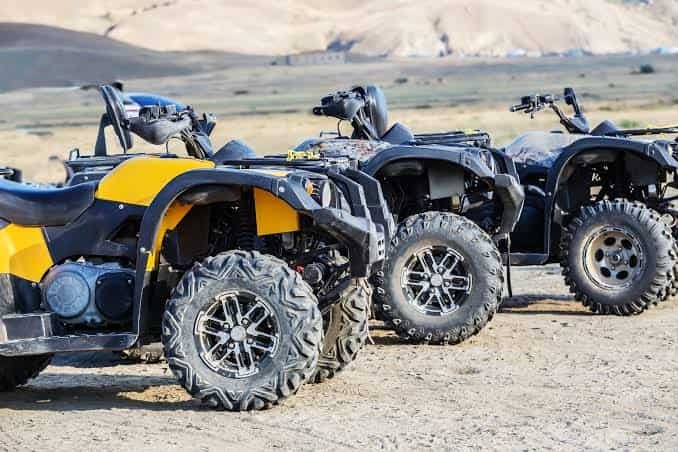
Where Can Off-Road Vehicles Be Operated in Florida?
The location of the ride is one of the most important legal considerations. Florida does not allow off-highway vehicles to be driven wherever open land appears accessible.
On private property, riders should obtain the landowner’s permission before operating an off-road vehicle. Permission to enter land does not necessarily authorize riding in every area or ignoring applicable local ordinances, noise restrictions, or environmental protections.
On public land, riders must follow the rules established by the managing agency. Some properties have designated trails or recreational areas, while other locations prohibit motorized riding entirely. Florida Statutes § 261.08 authorizes public land managers to regulate or prohibit off-highway vehicle use when necessary to prevent damage to public lands.
Before riding, check the property’s official rules, designated routes, operating hours, and any temporary closures. Do not assume that a trail shown on an unofficial map is legally open.
Rules for Riding on Public Land
Florida Statutes § 261.20 establishes specific requirements for off-highway vehicles operating on public lands. These rules address supervision, training, equipment, passenger limits, and responsible riding.
Key requirements include:
- Adult supervision: Riders younger than 16 must be supervised by an adult when operating an off-highway vehicle on public land.
- Safety education: Riders under 16 generally must carry proof of completing an approved off-highway vehicle safety course. A limited exemption applies to certain nonresident visitors staying in Florida for no more than 30 days.
- Required equipment: Vehicles must have a functioning braking system, muffler, and approved spark arrester, subject to applicable exceptions.
- Lighting: When operating between sunset and sunrise, or when visibility is reduced by conditions such as rain, smoke, or smog, required headlamps and taillamps must be illuminated, unless another law prohibits their use.
- Passenger limits: Riders cannot carry more passengers than the vehicle was designed by its manufacturer to accommodate.
Public land managers may impose additional safety requirements or restrictions. Riders should therefore review the rules for the specific park, forest, or recreational area rather than relying exclusively on statewide requirements.
Helmet and Protective Gear Requirements
Protective equipment is particularly important for younger riders. Under Florida Statutes § 316.2074, a person younger than 16 may not operate, ride, or be propelled on an ATV without a safety helmet meeting U.S. Department of Transportation standards and eye protection.
For off-highway vehicle use on public land, § 261.20 also requires riders younger than 16 to wear appropriate eye protection, over-the-ankle boots, and a qualifying safety helmet. These requirements should be checked alongside any additional rules imposed by the land manager.
Even where a particular item is not legally required for an adult rider in a specific setting, wearing a properly fitted helmet, eye protection, gloves, and suitable boots can reduce the risk of serious injury.
Are Off-Road Vehicles Allowed on Public Roads?
Generally, off-highway vehicles cannot be operated on Florida public roads, streets, or highways unless an applicable law or authorized government agency permits it. Florida Statutes § 261.11 establishes this restriction, and § 316.2074 contains a related rule for ATVs.
A vehicle that is legal to ride on a designated off-road trail is not automatically street-legal. Its design, registration status, equipment, and the applicable laws all matter. A local practice of allowing vehicles to cross a road or use a particular route should not be treated as general permission to ride on public streets.
Before taking an ATV or dirt bike onto a roadway, confirm whether a specific statutory exception or official authorization applies. Otherwise, transport the vehicle to an approved riding area instead of driving it on the road.
Prohibited Conduct and Potential Penalties
Florida law prohibits dangerous behavior while operating off-highway vehicles on public land. Under § 261.20, violations include operating under the influence of alcohol or drugs that impair the rider, carrying unauthorized extra passengers, and riding carelessly or recklessly in a way that endangers people or damages property.
A violation of § 261.20 is generally a noncriminal infraction carrying a fine of at least $100, and the rider may lose the privilege to operate an off-highway vehicle on public land. Certain intentional violations and repeat offenses can result in a fine of at least $500 and possible revocation of that privilege.
Separate violations—such as unlawful road use, trespassing, property damage, or other offenses—may carry additional consequences under the laws that apply to the conduct. The precise penalty depends on the facts and the applicable provision.
Environmental Protection and Property Damage
Off-road riding can affect Florida’s wetlands, wildlife habitats, vegetation, and soil. Riders should remain on authorized trails and avoid entering environmentally sensitive areas unless that activity is expressly permitted.
Florida’s public land management rules emphasize minimizing environmental damage, preventing erosion, protecting wildlife habitats, and repairing damage caused by off-highway vehicle use. Public agencies may close or restrict routes to protect natural resources.
Riding on another person’s land without permission can also create trespass concerns. If a rider damages fences, crops, equipment, or other property, the rider may face financial liability in addition to any applicable legal penalties.
A responsible rider should respect posted signs, avoid damaging vegetation, carry out trash, and comply with seasonal restrictions or emergency closures.
Practical Steps Before Riding
Before operating an off-road vehicle in Florida, take a few basic precautions:
- Confirm that the property is open to motorized recreation and obtain permission when required.
- Review the land manager’s age, training, equipment, and route rules.
- Inspect brakes, tires, lights, and other safety equipment.
- Wear appropriate protective gear and never ride while impaired.
- Keep passengers within the manufacturer’s stated capacity.
- Check whether the vehicle may legally use any road or crossing on the planned route.
These steps can help riders enjoy off-road recreation while reducing the risk of injuries, property disputes, and avoidable penalties.
Conclusion
Florida’s off-road vehicle laws regulate where riders may operate, the safety equipment they need, conduct on public land, and the protection of natural resources. Requirements vary by location, vehicle type, rider age, and applicable exceptions. Checking the rules before riding, using authorized trails, and following safety requirements can help prevent accidents and legal disputes.
Frequently Asked Questions
Q1. Can I ride an ATV on my own land in Florida?
A: Private property may be used for ATV riding, subject to applicable laws, local restrictions, and environmental rules. Owning the land does not automatically exempt a rider from every legal requirement.
Q2. Can I ride an off-road vehicle on public land without a permit?
A: It depends on the property and its rules. Some areas permit riding on designated trails under established conditions; others prohibit it or require specific authorization. Check with the managing agency before riding.
Q3. Do children under 16 need a helmet to ride an ATV in Florida?
A: Yes. Florida law requires a qualifying safety helmet and eye protection for ATV riders younger than 16. Additional equipment, supervision, and safety-course requirements may apply on public land.
Q4. Can I drive an ATV on a public road?
A: Generally, no. Florida law prohibits off-highway vehicle use on public roads unless an applicable law or authorized agency permits it.
Q5. What happens if I violate Florida’s off-road vehicle rules?
A: Depending on the violation, consequences can include fines, loss of riding privileges on public land, or separate penalties for conduct such as trespassing, property damage, or unlawful road use.