 By Ashley Robinson
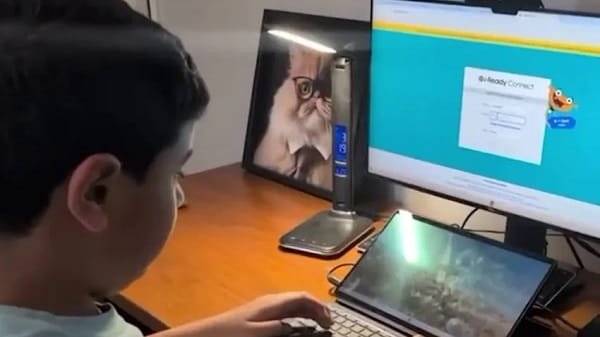
 Parents and K-12 students have filed a proposed class action lawsuit against Curriculum Associates, the company behind the i-Ready educational platform, accusing it of collecting and sharing children’s personal information without proper consent.
The case, M.C. v. Curriculum Associates, was filed in federal court in December 2025. It focuses on i-Ready’s online assessments and personalized instruction tools, which are used by school districts across the United States.
The plaintiffs claim the platform collects information about students’ identities, school activity, answers, behavior and academic performance, then sends some of that information to outside companies. Curriculum Associates denies the allegations and says it does not sell student data, use it for advertising or create commercial profiles of children.
What the i-Ready lawsuit alleges
The lawsuit alleges that i-Ready collects more information than is necessary to provide ordinary educational services. According to the complaint, the platform may gather student names, grade levels, demographic information, school details, IP addresses and disability-related information supplied by schools.
The plaintiffs also claim i-Ready records how students interact with the platform. That may include their answers to assessment questions, how long they spend on each question, what they click, their lesson progress and other usage details.
The lawsuit further alleges that the system can generate predictions or behavioral information about a student’s performance, focus, learning difficulties and possible disabilities. The plaintiffs argue that this creates detailed profiles of children without meaningful parental permission.
These claims are allegations in a complaint. The court has not ruled that Curriculum Associates collected or shared student information unlawfully.
How the data-sharing allegations arose
The plaintiffs allege that i-Ready uses tracking and analytics tools that transmit information to third parties while students use the platform. They claim that the data may be sent to outside companies in real time and could be connected with a student’s online activity.
The lawsuit says the information could reveal a child’s identity, school, academic weaknesses, learning progress and possible disability-related needs. The plaintiffs argue that such information is highly sensitive because it concerns minors and their education.
The case also alleges that parents were not given clear notice of these practices or a meaningful opportunity to provide informed consent. The plaintiffs say that permission given by a school district or a general technology-use form is not enough to authorize the collection and sharing of the detailed information described in the lawsuit.
Laws cited in the complaint
The plaintiffs have brought claims under several federal and state laws. These include the federal Wiretap Act, the California Invasion of Privacy Act, California’s Comprehensive Computer Data Access and Fraud Act and the Massachusetts Right to Privacy Act.
The complaint also includes negligence, unjust-enrichment and Massachusetts consumer-protection claims.
The legal question is not simply whether i-Ready collects student information. Schools and educational software companies commonly need limited information to create accounts, provide instruction and report results. The dispute centers on what information was collected, how it was used, whether it was shared with outside companies and whether the necessary consent was obtained.
Curriculum Associates denies wrongdoing
Curriculum Associates has called the lawsuit legally meritless. The company says school districts own and control student data and that the company uses information only to provide the educational services requested by those districts.
The company also says it does not sell student data to third parties, use student information for advertising or build commercial profiles of students. Its privacy statement says i-Ready may use basic student information, assessment results, lesson progress, login information and limited technical data needed to operate the platform.
Curriculum Associates argues that schools and districts provide the necessary authorization for the platform’s use. It has also argued that the lawsuit is part of a broader effort to change how technology is used in schools through litigation rather than legislation.
Court status of the case
The lawsuit was filed on December 22, 2025. Curriculum Associates filed a motion to dismiss the plaintiffs’ claims on February 27, 2026.
The plaintiffs filed their opposition to the motion on April 3, 2026. The court must decide whether the case can continue, whether some claims should be dismissed or whether the plaintiffs must revise their complaint.
A motion to dismiss is not a final decision on the truth of the allegations. At this stage, the court generally considers whether the complaint contains legally sufficient claims and whether the case may proceed to discovery.
There is currently no approved settlement, claim form or guaranteed compensation for families who used i-Ready.
Who could be affected
The lawsuit is proposed as a class action, but a class has not yet been certified by the court. The plaintiffs are seeking to represent students whose information was allegedly collected or shared through i-Ready.
The case could eventually involve students from many school districts if the court certifies a nationwide or broader class. However, not every i-Ready user is automatically part of the lawsuit, and families should not assume they qualify for any payment or legal benefit.
School districts that use i-Ready are not defendants in the case. The lawsuit is directed at Curriculum Associates, although the plaintiffs’ claims involve the way schools authorize and use the platform.
Why the case matters
The i-Ready lawsuit reflects growing concern about the amount of personal information collected by education technology companies. Digital tools can help schools track progress and personalize lessons, but they may also record detailed information about how children learn, where they struggle and how they behave online.
The case could clarify how privacy laws apply when schools provide technology to students and whether district-level agreements are enough to satisfy parental-consent requirements.
For now, the claims remain unproven. The next important step is the court’s decision on Curriculum Associates’ motion to dismiss. If the case survives, the parties could move into discovery, where they may examine technical records, contracts, privacy policies and information about i-Ready’s data practices.