 By Ashley Robinson
 Yes and no — it depends on which windows you are talking about and what type of vehicle you drive. In Florida, 15% tint is generally legal on some rear windows, but it is illegal on front side windows for most vehicles. Florida has specific window tint laws based on Visible Light Transmission (VLT), which measures how much light can pass through the glass. A lower percentage means darker tint.
A 15% tint is considered fairly dark. It allows only 15% of outside light to pass through the window, giving vehicles a darker appearance and increased privacy. Many Florida drivers choose 15% tint because it helps reduce heat and glare in the state’s hot climate. However, Florida still limits how dark certain windows can legally be tinted.
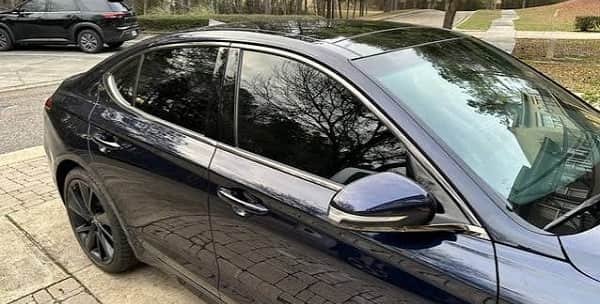
What Florida Law Allows
Florida tint laws are different for:
- Front side windows
- Rear side windows
- Rear windshield
- Sedans versus SUVs and trucks
The rules are mainly designed around driver visibility and law enforcement safety.
Is 15% Tint Legal on Front Windows?
No.
Florida requires front side windows to allow at least 28% of light through for most vehicles. A 15% tint is much darker than that limit and is therefore illegal on front driver and passenger windows.
This means:
- 15% front tint = illegal
- 28% or lighter = generally legal
Police officers commonly stop vehicles with extremely dark front windows because visibility becomes heavily reduced.
Is 15% Tint Legal on Rear Windows?
Yes, in many cases.
Sedans
For standard passenger cars and sedans, Florida generally allows:
- 15% tint on rear side windows
- 15% tint on the rear windshield
So for sedans:
- Front windows → 15% illegal
- Rear windows → 15% legal
SUVs, Vans, and Trucks
Florida is even more lenient with larger vehicles.
SUVs, vans, and trucks may legally have rear windows as dark as 6% VLT in many situations.
That means 15% tint is usually fully legal on rear windows for:
- SUVs
- Pickup trucks
- Vans
Why Florida Restricts Dark Front Tint
Florida mainly restricts dark tint for safety reasons.
Very dark front windows may:
- Reduce nighttime visibility
- Make eye contact between drivers difficult
- Prevent officers from seeing inside vehicles
- Increase accident risks during poor weather
Because of this, Florida keeps stricter rules for front windows compared to rear windows.
Can Police Pull You Over for 15% Tint?
Yes, if it is on illegal windows.
Florida officers commonly use tint meters during traffic stops to measure VLT percentages. If the tint is darker than allowed, drivers may receive:
- Traffic citations
- Fines
- Orders to remove the tint
- Compliance notices
Illegal front tint is one of the most commonly enforced tint violations.
Does Factory Tint Count?
Yes.
Factory privacy glass already contains some darkness. If aftermarket tint is added on top of factory tint, the final VLT may become much darker than expected.
For example:
- Factory glass + aftermarket 15% film may become far darker than 15% overall
This can accidentally make a vehicle illegal even if the installed film itself seemed compliant.
What About Windshield Tint?
Florida heavily restricts windshield tint.
Generally, only a non-reflective strip above the AS-1 line is allowed. Full 15% windshield tint is illegal in Florida except possibly under rare medical exemptions.
Are Medical Exemptions Allowed?
Yes.
Florida allows medical tint exemptions for certain conditions involving sunlight sensitivity. Approved drivers may legally use darker tint than normal limits in some cases.
Examples may include:
- Lupus
- Severe photosensitivity
- Certain eye disorders
- Skin conditions
Does 15% Tint Affect Insurance?
Possibly.
Illegal tint may sometimes create issues involving:
- Traffic violations
- Vehicle inspections
- Insurance claims after accidents
Drivers may be required to remove illegal tint before resolving violations.
Could Florida Tint Laws Change Later?
Possibly.
Tint laws continue evolving because of:
- Heat reduction technology
- Privacy concerns
- Road safety debates
However, Florida has historically kept strict visibility standards for front windows.
 Olivia Wilson