 By Ashley Robinson
 Baltimore approves an $11 million settlement
Baltimore’s Board of Estimates approved an $11 million settlement for Anthony Hall, a man whose murder conviction was overturned after he spent more than 25 years in prison. The agreement resolves Hall’s federal civil lawsuit against the Baltimore Police Department and several officers. City records identify the case as Anthony Hall v. Baltimore Police Department, et al., No. 1:24-cv-01137, in the U.S. District Court for the District of Maryland. The Board of Estimates approved the deal on August 5, 2026.
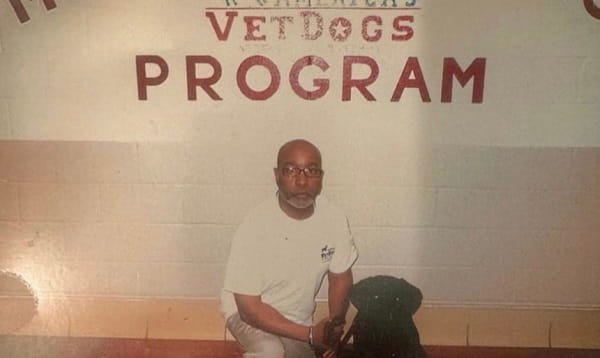
The conviction and later exoneration
Hall was convicted in the 1991 killing of Gerald Dorsey and remained imprisoned for more than two decades. His case was later re-examined with support from the Mid-Atlantic Innocence Project. In March 2023, a Baltimore Circuit Court judge granted Hall a writ of actual innocence and vacated his convictions. Prosecutors dismissed the case the next month, on April 18, 2023. That sequence ended the criminal case against Hall, but it did not automatically decide whether city officials or police officers were civilly liable. His later federal lawsuit sought damages for the harm he said resulted from the investigation and prosecution.
What Hall alleged in his civil lawsuit
Hall’s complaint alleged that Baltimore police officers engaged in misconduct during the investigation. The allegations included coercing or fabricating witness evidence, withholding information favorable to the defense, and causing a wrongful prosecution. The lawsuit asserted claims against the police department and the city based on their alleged practices and oversight failures. These were civil claims, not new criminal charges. The city and defendants contested the case before the settlement was reached. As with many government settlements, the agreement provides a way to end contested litigation without a trial and without a verdict on the merits.
How the settlement will be paid
The $11 million agreement is set to be paid in two installments. Baltimore will pay $6 million first and $5 million in the following year. This payment structure can affect annual municipal budget planning. Hall had previously received state compensation for erroneous confinement, reported at more than $2 million. That state payment and the city settlement arise from different legal processes. State compensation addresses wrongful imprisonment under Maryland law, while the federal civil case concerned Hall’s allegations about conduct by the Baltimore Police Department and former officers.
Why the Board of Estimates was involved
Baltimore’s Board of Estimates reviews and approves city spending, including legal settlements. Its approval made the Anthony Hall agreement an official city action rather than merely a proposal negotiated by lawyers. The board’s role makes the public cost more visible. Wrongful-conviction and police-misconduct cases can lead to large payments because they involve years of lost liberty, alleged constitutional violations, legal expenses, and the risk of an adverse jury verdict. Approval does not rewrite the history of the case or establish a criminal finding against any officer. It authorizes payment to resolve the civil dispute.
What the settlement does and does not do
The settlement ends Hall’s civil claims covered by the agreement against the city, the police department, and the defendants named in the case. It does not create a claim form, a public compensation program, or a payment for other formerly incarcerated people. It also does not mean that all Baltimore wrongful-conviction cases will result in the same amount. Settlement values depend on the particular facts, evidence, legal claims, time in custody, prior rulings, and the parties’ assessment of litigation risk. Hall’s exoneration had already occurred before the settlement; the agreement concerns the civil consequences that followed.
Why the case matters in Baltimore
The settlement adds to public scrutiny of Baltimore’s past wrongful-conviction cases and the financial cost of alleged police misconduct. For Hall, it brings a civil case closer to an end after the criminal charges were dismissed. For the city, it highlights the difficult balance between defending claims, managing taxpayer money, and addressing harms caused by past investigations. The agreement is not an admission of liability, but its size reflects the seriousness of the dispute and the long period Hall spent in custody. This article is for general information and is not legal advice.