 By Ashley Robinson
 The Lindsay Automotive Group refund settlement could return money to eligible car buyers who were allegedly charged more than advertised prices or billed for products and services they did not knowingly approve. The action was brought by the Federal Trade Commission (FTC) and the Maryland Attorney General against Lindsay dealerships and company executives. Regulators said the dealerships used low advertised prices to attract customers and then increased the price during the sales process.
How much money is involved?
The agencies said consumers paid more than $75 million in potentially eligible charges. That figure is not a guaranteed settlement fund, and every customer will not necessarily receive the same amount. Individual refunds will depend on the advertised price, the final price paid, and the buyer’s records.
Separately, the defendants agreed to pay a $3.1 million civil penalty to the Maryland Attorney General’s Office. That payment is a government penalty, separate from refunds based on eligible consumer overcharges.
Which dealerships were involved?
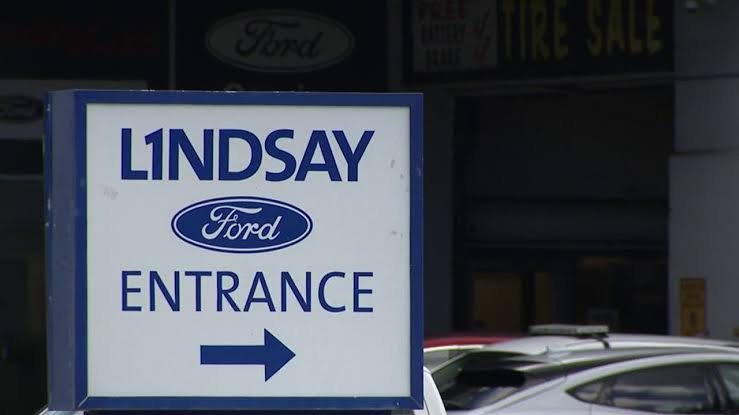
The case involves Lindsay Ford of Wheaton in Maryland, Lindsay Chevrolet of Woodbridge in Virginia, and Lindsay Chrysler-Dodge-Jeep-Ram in Manassas, Virginia. The complaint also named Lindsay Management Company and executives connected with the dealerships.
The agencies alleged that customers were shown prices based on rebates or discounts they could not receive. Consumers allegedly learned at the dealership that the vehicle would cost hundreds or thousands of dollars more. Regulators also alleged that some customers were told dealership financing was required, even when they already had financing from another source.
Allegations involving add-on products
The complaint also focused on products added to vehicle transactions, including GAP insurance, service plans, tire and rim protection, and paint protection. According to the agencies, some Lindsay Ford customers were charged for add-ons they did not request, understand, or agree to buy.
Eligible consumers may seek refunds for the difference between the advertised and final prices. Lindsay Ford customers may also qualify for refunds for unwanted or improperly authorized add-ons. Maryland residents who purchased or leased from the Virginia dealerships may qualify under the settlement’s conditions.
Who may be eligible for a refund?
The covered transaction period is April 1, 2020, through December 31, 2025. Eligibility generally depends on whether the consumer saw an advertisement listing a lower price than the price ultimately offered or charged. The dealership, the buyer’s state of residence, and the circumstances surrounding any add-on may also matter.
People should not assume they are ineligible because they no longer own the vehicle. Buyers and lessees should gather contracts, advertisements, emails, financing documents, and add-on receipts. These records can help the administrator compare the advertised and final prices.
How to claim the refund
Eligible consumers are expected to receive notices from a third-party claims administrator. Recent reporting identified Rust Consulting as the administrator sending claim forms. Review the notice carefully, answer the eligibility questions, and return the form by the deadline printed on it. Reports indicate that claimants may have 180 days from the mailing date.
Anyone who believes they qualify but receives no notice should contact the Maryland Attorney General’s Consumer Protection Division at 410-528-8662. Be cautious of scams. Legitimate administrators should not demand an upfront fee, gift cards, or a money transfer to release a refund.
What the settlement requires from Lindsay
The settlement bars the defendants from misrepresenting vehicle prices, financing requirements, fees, taxes, optional products, or vehicle availability. Lindsay must prominently disclose the total price, excluding only required government charges, and obtain informed consent before charging for vehicle-related fees or products.
The case shows why buyers should request an itemized “out-the-door” price before visiting a dealership. Discounts, financing conditions, add-ons, and fees should be explained in writing. Eligible Lindsay customers should rely on their official notice and the Maryland Attorney General for current instructions and deadlines.