 By Ashley Robinson
 Florida has specific window tint laws that regulate how dark or reflective vehicle window tint can be. The legal tint percentage depends on the type of vehicle and which window is being tinted. In general, Florida allows darker tint on rear windows than on front windows, while windshield tint is heavily restricted.
The law measures tint darkness using something called VLT, or Visible Light Transmission. This refers to the percentage of visible light that can pass through the window. Lower VLT percentages mean darker tint.
For example:
- 5% tint = very dark
- 20% tint = dark
- 35% tint = moderate
- 70% tint = light
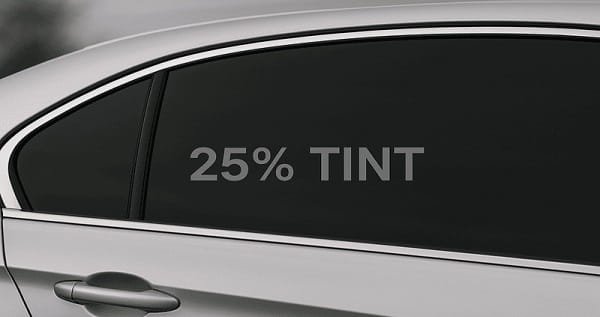
Legal Tint for Sedans in Florida
For standard passenger cars and sedans, Florida law generally allows:
- Front side windows: at least 28% VLT
- Back side windows: at least 15% VLT
- Rear windshield: at least 15% VLT
- Windshield: only non-reflective tint above the AS-1 line
This means front windows cannot be extremely dark because police officers and other drivers must still be able to see inside the vehicle to some extent.
Legal Tint for SUVs, Vans, and Trucks
Florida allows darker rear tint on larger vehicles such as SUVs, vans, and some trucks.
The usual limits are:
- Front side windows: at least 28% VLT
- Rear side windows: as dark as 6% VLT
- Rear window: as dark as 6% VLT
- Windshield: non-reflective strip above AS-1 line only
This is why many SUVs in Florida appear to have extremely dark rear windows.
Windshield Tint Rules
Florida does not allow full windshield tint for most drivers.
Only a non-reflective strip is allowed at the top of the windshield above the manufacturer’s AS-1 line, which is usually around the top 5 inches of glass.
Dark tint below that line may result in tickets or inspection problems unless the driver has a medical exemption.
Reflective Tint Restrictions
Florida also regulates reflective or mirrored tint.
Legal limits include:
- Front side windows: no more than 25% reflective
- Rear windows: no more than 35% reflective
Highly mirrored metallic films are generally illegal because they can create dangerous glare for other drivers.
Illegal Tint Colors
Florida prohibits certain tint colors that could confuse drivers or resemble emergency vehicle lighting.
Restricted colors usually include:
- Red
- Blue
- Amber
Most legal tint installations use black, charcoal, or gray shades.
Medical Tint Exemptions
Florida allows medical exemptions for certain health conditions involving sunlight sensitivity.
Conditions may include:
- Lupus
- Severe photosensitivity
- Certain eye disorders
- Medical skin conditions
Drivers usually need physician documentation and state approval for darker-than-normal tint exemptions.
Penalties for Illegal Tint
Drivers with illegal tint in Florida may face:
- Traffic tickets
- Fines
- Orders to remove tint
- Possible inspection issues
Police officers commonly use tint meters during traffic stops to measure VLT percentages.
 Olivia Wilson