 By Ashley Robinson
 Yes, underglow is generally legal in Florida, but there are important restrictions on colors, flashing effects, and visibility. Florida law does not specifically ban aftermarket underglow or neon lighting under vehicles. However, certain lighting colors and behaviors can make the setup illegal, especially if the lights resemble emergency vehicles or create safety hazards.
Underglow has become very popular in Florida’s car culture, especially among sports cars, trucks, tuner cars, and show vehicles. Many drivers install LED or neon underbody lights for style, nighttime appearance, and car meets. But Florida traffic laws still regulate vehicle lighting carefully to avoid confusing other drivers or imitating police vehicles.
What Florida Law Says About Underglow
Florida law allows additional lighting equipment on vehicles as long as it does not violate other lighting restrictions. Florida Statute 316.235 specifically states that vehicles may use lamps or devices underneath the vehicle if they do not violate prohibited lighting laws.
This means:
- Underglow itself is not automatically illegal
- Certain colors and flashing patterns are restricted
- Emergency-style lighting is prohibited
Are LED Underglow Lights Legal?
Yes.
LED underglow lights are generally legal in Florida if used properly and installed within legal color restrictions. Many Florida drivers legally use:
- White underglow
- Amber underglow
- Some non-flashing accent lighting
However, legality changes depending on the color and placement.
Are Blue Underglow Lights Legal?
No.
Florida specifically prohibits blue lights on civilian vehicles because blue lighting is reserved for police and certain emergency vehicles.
Even small blue underglow strips can lead to traffic stops because officers may view them as impersonating emergency lighting.
Are Red Underglow Lights Legal?
Sometimes, but with restrictions.
Florida law prohibits red lights visible from directly in front of the vehicle.
This means:
- Red underglow visible from the front = illegal
- Rear red lighting is usually less problematic
- Hidden red underglow may still attract police attention
Because of this, many drivers avoid red completely to reduce the risk of getting pulled over.
Are Flashing or Strobing Lights Legal?
No.
Florida prohibits flashing, oscillating, rotating, or moving lights on regular civilian vehicles unless specifically authorized for emergency or service vehicles.
This includes:
- Strobe effects
- Police-style flashers
- Rapid color-changing emergency patterns
Music-synced flashing systems may also create legal issues while driving.
Can Police Pull You Over for Underglow?
Yes.
Even legal underglow may still attract police attention if officers believe:
- The lights are too distracting
- The colors resemble emergency vehicles
- The lighting creates glare
- The setup violates Florida traffic laws
Drivers commonly get stopped for:
- Blue lighting
- Flashing effects
- Extremely bright systems
- Red lights visible from the front
Is Underglow Legal While Driving?
Generally yes, if compliant with lighting restrictions.
Florida does not completely ban using underglow on moving vehicles. However, non-compliant colors or flashing patterns can make it illegal while driving.
What Colors Are Safest Legally?
The safest underglow colors in Florida are usually:
- White
- Amber
These colors are least likely to resemble emergency vehicles or violate lighting statutes.
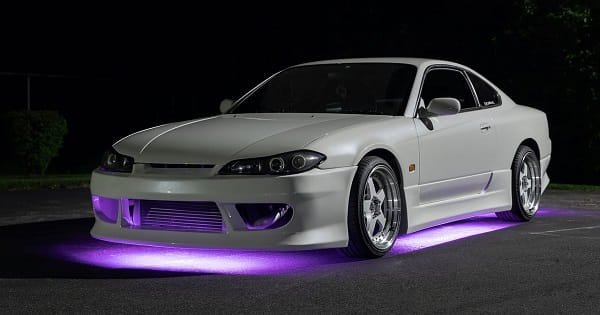
What About Green or Purple Underglow?
Florida law does not explicitly mention every color individually, which creates some gray areas.
However:
- Green lighting may sometimes attract attention because some emergency or service vehicles use similar colors
- Purple is less commonly restricted but could still become problematic if too bright or flashing
Many drivers still use these colors, but enforcement can vary depending on local officers and circumstances.
Can Motorcycles Have Underglow?
Yes, motorcycles may also use underglow lighting, although the same restrictions regarding flashing lights and emergency colors generally apply. Some motorcycle riders use accent lighting during bike shows and nighttime riding.
Could Florida Laws Change Later?
Possibly.
Florida has recently become stricter regarding unauthorized vehicle lighting and fake emergency-style modifications. Newer laws and enforcement trends suggest police may pay closer attention to aftermarket lighting setups in the future.
 Olivia Wilson