 By Ashley Robinson
 Yes, corporal punishment is still legal in Florida in certain situations, especially within the home and in some school districts. Florida law generally allows parents to use reasonable physical discipline on their children, and the state also permits corporal punishment in public schools if local school districts authorize it. However, there are important legal limits. Excessive force, abuse, or punishment that causes serious injury can still lead to criminal child abuse charges and intervention by child protection authorities.
Corporal punishment remains one of the most debated parenting and education topics in America. Supporters argue that physical discipline can help maintain order and correct behavior, while critics believe it may harm children emotionally and physically. Florida continues to allow it under controlled legal standards rather than banning it completely.
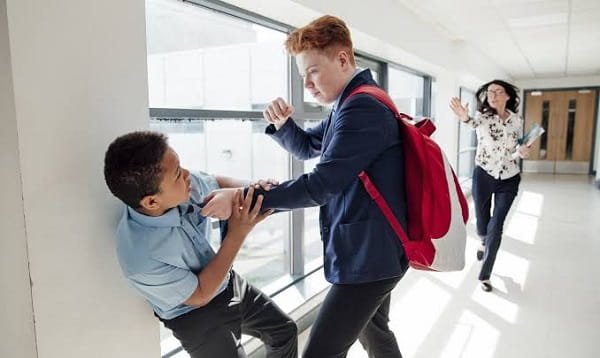
What Is Corporal Punishment?
Corporal punishment generally means using physical force to discipline someone, usually a child.
Examples may include:
- Spanking
- Paddling
- Slapping on the hand
- Other forms of physical discipline
The legality depends heavily on:
- Who administers it
- The amount of force used
- Whether injuries occur
- The setting involved
Is Spanking Children Legal in Florida?
Yes, generally.
Florida law allows parents and legal guardians to use reasonable physical discipline for child correction. Courts have long recognized a parental right to administer moderate corporal punishment. However, the punishment cannot cross into abuse.
When Does Discipline Become Illegal?
Physical discipline may become illegal if it causes:
- Serious injuries
- Bruising or welts
- Broken bones
- Burns
- Extreme pain
- Lasting emotional or physical harm
At that point, authorities may investigate for:
- Child abuse
- Aggravated child abuse
- Neglect
Florida child abuse laws are strict when excessive force is involved. (leg.state.fl.us)
Is Corporal Punishment Allowed in Florida Schools?
Yes, but only if local school districts permit it.
Florida law allows public school districts to decide whether corporal punishment will be used. (leg.state.fl.us)
Some Florida school districts still allow corporal punishment, while many others have banned it locally.
What Happens in School Corporal Punishment?
Traditionally, school corporal punishment may involve paddling or controlled physical discipline administered by school officials.
Florida law generally requires:
- Established district policies
- Administrative oversight
- Witness requirements in some districts
Local rules vary widely.
How Common Is School Corporal Punishment Today?
It has become far less common than in previous decades.
Many Florida districts voluntarily stopped using corporal punishment because of:
- Public opposition
- Lawsuit concerns
- Changing educational standards
- Child psychology research
However, a few districts still technically allow it.
Can Teachers Spank Students Without Permission?
Usually no.
School districts that allow corporal punishment often require specific procedures and administrative authorization.
Unauthorized physical discipline by teachers could lead to legal and employment consequences.
Is Corporal Punishment Legal in Private Schools?
Private schools generally have more flexibility in discipline policies, although child abuse laws still apply.
Parents often agree to school conduct policies when enrolling children.
What Do Critics Say About Corporal Punishment?
Critics argue corporal punishment may lead to:
- Emotional trauma
- Fear-based discipline
- Increased aggression
- Mental health effects
Major medical and psychological organizations have discouraged physical punishment in recent years.
What Do Supporters Say?
Supporters argue moderate corporal punishment can:
- Reinforce discipline
- Correct dangerous behavior
- Reflect parental rights
- Maintain classroom order
The issue remains highly controversial nationwide.
Could Florida Ban Corporal Punishment Later?
Possibly.
Several states already banned corporal punishment entirely in schools. Florida could eventually adopt stricter statewide rules if political and educational attitudes continue changing.
 Olivia Wilson